Golf Cart Bridge Construction

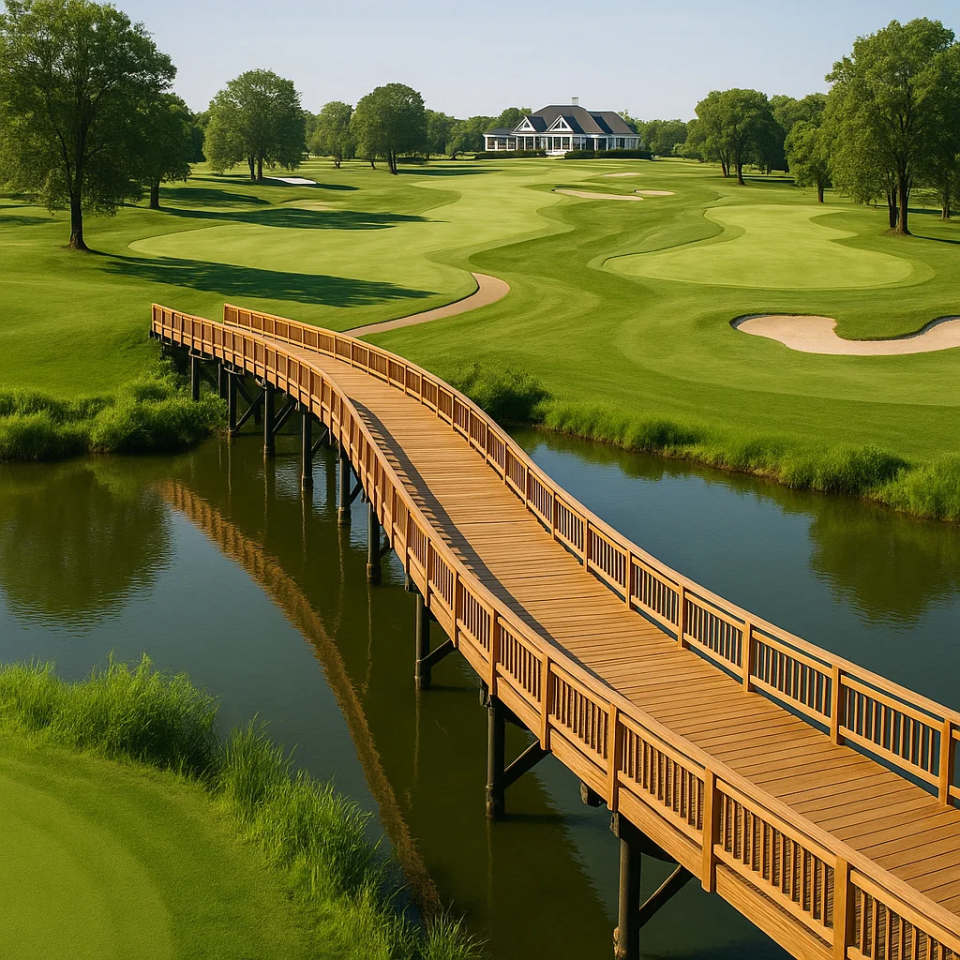
Greenway Bridge Co. builds strong, well-designed golf cart bridges that serve your course without disrupting its natural beauty. Our structures accommodate daily golf cart, foot, and maintenance vehicle traffic while blending into the landscape. Based in St Augustine and operating nationwide, we’ve spent over 50 years designing timber bridges engineered to the highest tolerances for courses across America.


Highlights:

  • Bridges engineered for heavy golf cart use
  • Minimal environmental impact during installation
  • Structures built to last decades

Why Choose Greenway Bridge Co. for Golf Cart Bridge Construction

Greenway Bridge Co. has served golf courses throughout the United States since 2008, built on a family bridge-building heritage dating to the late 1970s. Our team specializes in timber bridge systems designed for golf course settings that handle both golf cart traffic and pedestrian use. We work with course designers, superintendents, and owners at Bobby Weed-designed courses and at municipal facilities.

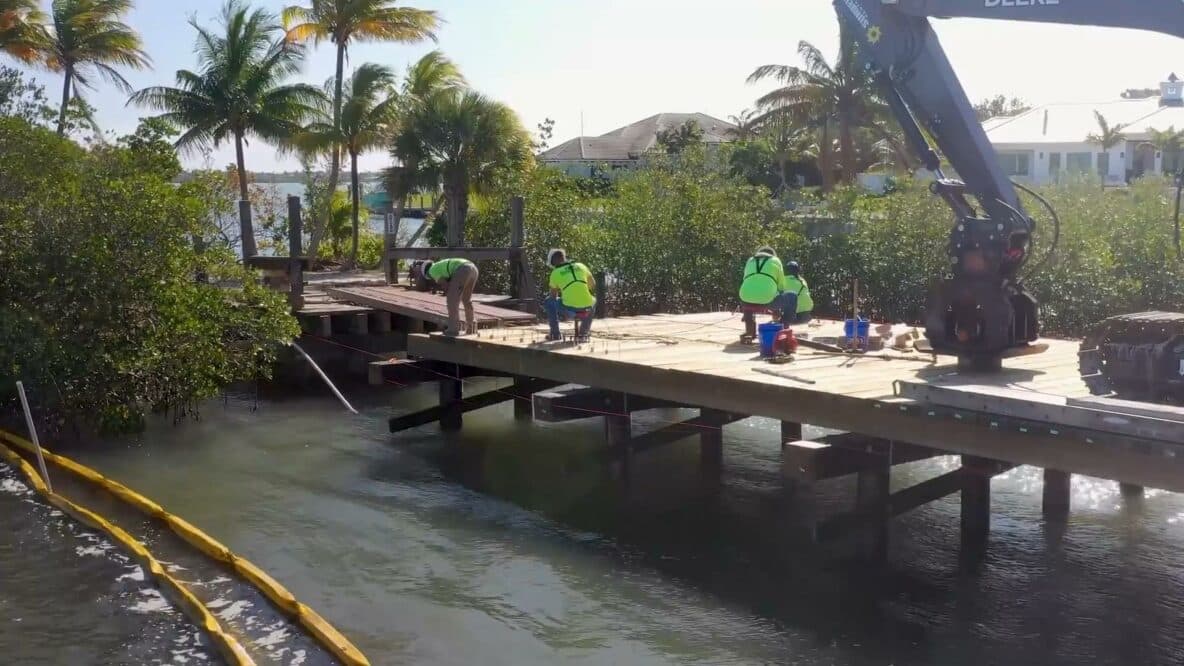
We use proven construction methods that protect your course during installation. Our pile-driven foundations and top-down construction techniques minimize ground disturbance to fairways, greens, and wetlands. Each bridge is custom-designed to complement your course’s terrain and water features. Plus, our company-owned trucks and heavy equipment enable rapid project completion without relying on third-party contractors.

Our Golf Cart Bridge Construction Services

Golf Cart Bridges for Daily Course Traffic

Our golf cart bridge construction services provide reliable crossings for golf carts, maintenance vehicles, and foot traffic. Each bridge fits seamlessly into your course’s landscape while supporting the game’s flow. We design structures that withstand continuous use in all weather conditions across the surrounding area.

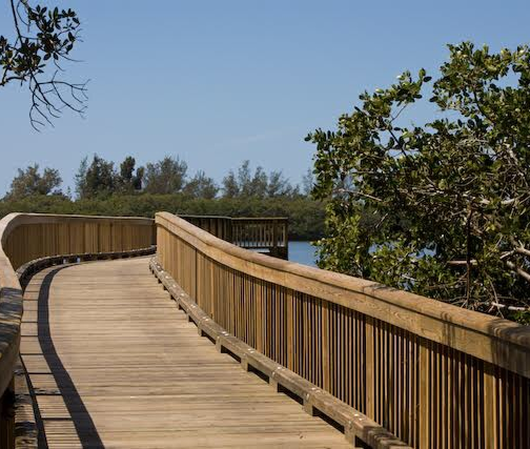
These bridges solve access challenges across streams, wetlands, and rough terrain without disrupting natural beauty. Timber materials blend with your course environment. Composite decking options resist moisture and reduce long-term maintenance. Our engineering ensures structural integrity for decades of reliable service.

Key Points:

  • Designed to handle daily golf cart traffic
  • Rot-resistant timber and composite materials available
  • Minimal disruption to course flow
Free Consultation

Maintenance Vehicle Bridges

Heavy-duty golf course bridges are built to support grounds equipment, mowers, and utility vehicles. Our construction process accounts for higher weight requirements while maintaining visual appeal. These structures provide safe crossings without compromising course aesthetics or functionality.

We engineer bridges to handle concentrated loads from maintenance vehicles. Pressure-treated timber and galvanized steel fasteners ensure durability in wet conditions. Clear-span designs minimize contact with sensitive water features. Each project preserves the terrain while adding essential access for course operations.

Key Points:

  • Engineered for heavy equipment loads
  • Galvanized fasteners resist corrosion
  • Clear span options protect water features
Free Consultation

Tee Access Bridges

Specialized bridge solutions connecting elevated or isolated tee boxes to fairways and cart paths. These structures enhance course accessibility without disrupting the game. Our designs consider golfer safety, cart maneuverability, and slope requirements specific to your course layout.

Tee access bridges combine functionality with aesthetics. We select materials that complement your course’s design inspiration. Timber railings provide safety for pedestrians. Non-slip decking protects golfers in wet conditions. Installation timing is aligned with your course schedule to minimize operational impact.

Key Points:

  • Custom designs for tee box access
  • Non-slip decking for golfer safety
  • Scheduled installation minimizes course closure
Free Consultation

Course Feature Bridges

Aesthetic timber bridges that enhance signature holes and landscape features throughout your course. These structures serve both functional and visual purposes, creating memorable elements that golfers appreciate. Our team works with course designers to achieve the right blend of beauty and practicality.

Feature bridges complement natural water features and terrain. We use traditional craftsmanship combined with modern engineering to create structures that last for decades. Covered bridge options add historic charm while protecting critical materials from weather exposure. Each installation preserves your course’s character while improving accessibility.

Key Points:

  • Enhance signature holes and landscape features
  • Covered bridge options add visual interest
  • Traditional craftsmanship meets modern engineering
Free Consultation

What To Expect – Our Process

Step 1

Initial Consultation

You’ll contact us by phone or through our website. We discuss your course layout, crossing locations, and traffic requirements. You’ll hear back quickly to schedule the next step.

Step 2

Site Inspection and Evaluation

Our team visits your course to evaluate terrain, soil conditions, and water features. We assess cart path connections and measure crossing distances. You’ll see how we plan to minimize the impact on your course.

Step 3

Design & Proposal

You receive custom bridge designs addressing your site’s unique requirements. Our detailed proposal covers materials, engineering specifications, and the project timeline. You decide whether to proceed with no pressure from our team.

Step 4

Construction

Our crews use specialized equipment and proven techniques to build your bridge efficiently. We coordinate access and schedule work to minimize disruption to your course operations. Installation preserves turf and protects water features throughout the process.

Step 5

Final Inspection & Warranty

We conduct a thorough walkthrough with you to ensure satisfaction before completion. You receive warranty documentation and maintenance guidance. Our team remains available for ongoing support and inspection services.

Common Golf Cart Bridge Construction Challenges in Golf Course Settings

Golf courses face unique challenges when adding or upgrading bridge systems. Local terrain, climate conditions, and course design create specific requirements for safe, durable crossings.

Challenge What It Looks Like How We Help
Heavy Golf Cart Traffic Bridges deteriorate quickly due to frequent cart crossings. Decking warps, posts loosen, and structural integrity suffers with daily use across multiple seasons. We engineer bridges to handle concentrated loads from golf carts. Pressure-treated timber and reinforced framing resist damage. Our construction ensures decades of reliable service.
Wetland Crossings Standard construction methods damage sensitive wetland areas. Soil compaction and vegetation loss during installation create environmental and permitting issues. Our wetland boardwalk construction services use top-down methods. Pile-driven foundations minimize ground disturbance while preserving delicate ecosystems beneath your course.
Water Feature Integration Bridges clash with natural water features instead of complementing them. Poor design choices disrupt the visual flow and reduce the course's appeal to golfers. We design bridges that blend with your landscape. Timber materials match natural surroundings. Clear span options reduce visual impact while protecting stream flow and beauty.
Maintenance Vehicle Damage Lightweight bridges fail under heavy mowers and equipment. Course superintendents face constant repairs and safety risks from structures not built for grounds operations. Our vehicular bridge services address higher weight requirements. Galvanized steel hardware and engineered framing support heavy maintenance vehicles without compromising aesthetics or safety.
Weather Durability Extreme weather causes rot, splitting, and structural failure. Bridges in harsh climates require frequent replacement, increasing long-term costs for course owners. We select rot-resistant timber and composite materials suited to your environment. Proper drainage design prevents water damage. Our construction methods ensure structures withstand decades of exposure.
Course Flow Disruption Narrow or poorly placed bridges create bottlenecks during peak play. Golfers experience delays, and the game suffers from inadequate access planning. We design bridges for smooth traffic flow. Adequate width accommodates carts and pedestrians. Strategic placement maintains the pace of play while efficiently connecting course features.

Local Golf Cart Bridge Construction Throughout the United States

We serve golf courses nationwide with rapid response times and deep knowledge of regional conditions. Our company-owned equipment enables us to mobilize quickly to your site.

Frequently Asked Questions

Bridge costs vary based on span length, load requirements, and site conditions. Factors affecting price include soil type, equipment accessibility, and material selection. We provide free consultations and detailed quotes that outline all project costs transparently.

We bring over 50 years of family bridge-building heritage to every project. Our environmentally conscious construction methods protect your course during installation. We own our trucks, pile-driving equipment, and heavy machinery, enabling faster completion than contractors who rely on rentals. Plus, our track record includes prestigious clients such as Bobby Weed-designed courses and the National Park Service.

Timber offers lower costs, faster installation, and a natural aesthetic appeal compared to concrete. Timber bridges blend seamlessly into the surrounding landscape and cause less environmental disruption during construction. Concrete handles extremely heavy loads but costs more, takes longer to install, and often clashes with natural surroundings. We help you choose based on your traffic requirements, budget, and design goals.

Most golf course bridge projects take 2-6 weeks from start to finish. Simple cart path crossings complete faster, while complex wetland spans require additional time. Weather, permitting, and course scheduling affect timelines. Our self-owned equipment and experienced crews work efficiently to minimize disruption to your course operations.

If you notice sagging decking, loose railings, or visible rot in the support posts, it’s time to evaluate. Bridges that require frequent repairs cost more to maintain over the long term than replacement. Safety concerns, such as instability or weight restrictions, justify immediate assessment. Course expansions and new cart paths create opportunities to add bridges that improve accessibility and enhance the game.

We provide warranty packages covering materials and workmanship upon project completion. Maintenance guidance helps superintendents protect their investment. Our team remains available for inspection services, minor repairs, and refurbishment as your bridge ages. Annual inspection programs help catch minor issues before they become significant problems.

Our custom design process ensures each bridge complements your course’s character. We work with course designers to select materials, colors, and styles that fit your landscape. Options include natural timber finishes, covered bridge designs, and decorative railings. Every project balances visual appeal with structural requirements to ensure safe golf cart and pedestrian traffic.

Pressure-treated timber resists rot and moisture damage in humid conditions. Composite decking options eliminate wood deterioration while maintaining a natural appearance. Galvanized or stainless steel fasteners prevent rust. We select materials based on your specific climate challenges to ensure longevity without excessive maintenance requirements.

We schedule construction around your course calendar to avoid peak seasons. Our pile-driven foundation method reduces ground disturbance to fairways and greens. Company-owned equipment enables precise work in tight spaces. We coordinate with superintendents to protect turf, maintain cart path access, and preserve water features throughout the project.

All bridges are engineered to exceed safety standards for combined use. We design adequate width for carts and walkers to pass safely. Railings meet height and strength requirements. Non-slip decking protects pedestrians in wet conditions. Our engineering accounts for concentrated loads from golf carts while ensuring comfortable passage for golfers on foot.