Nature Trail Boardwalk Construction

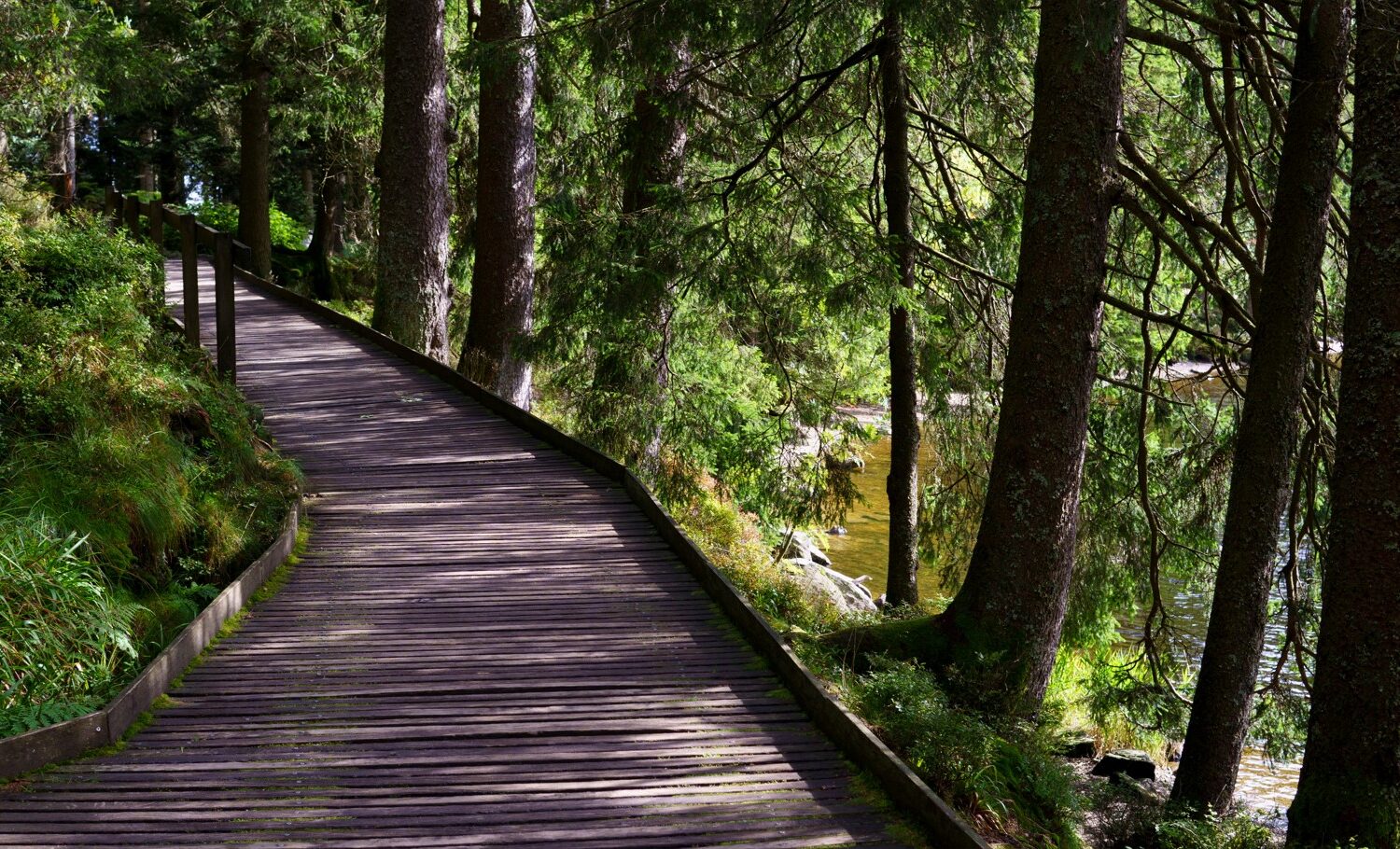
Greenway Bridge Co. builds boardwalks for nature trails that serve communities while protecting the environment. We use proven construction methods to create dependable routes through parks, preserves, and recreation areas. Our structures provide public access without harming sensitive areas or disrupting animal life.

Highlights:

  • Top-down construction protects underlying soil

  • Over 50 years of boardwalk experience

  • Minimal disturbance to wildlife and habitats
Why Choose Us for Trail Boardwalk Projects?

Greenway Bridge Co. has delivered trail boardwalk projects nationwide since 2008, building on a family timber-construction heritage dating to the late 1970s. We deliver nature trail boardwalk construction throughout the United States using company-owned equipment and specialized techniques.

Our approach emphasizes environmental stewardship through top down building methods that minimize disturbance to vegetation and soil. We provide full lifecycle support from planning through maintenance, ensuring reliable service and structures built for decades of use.

Screenshot_7

Our Nature Trail Boardwalk Options

Hiking Trail Boardwalks

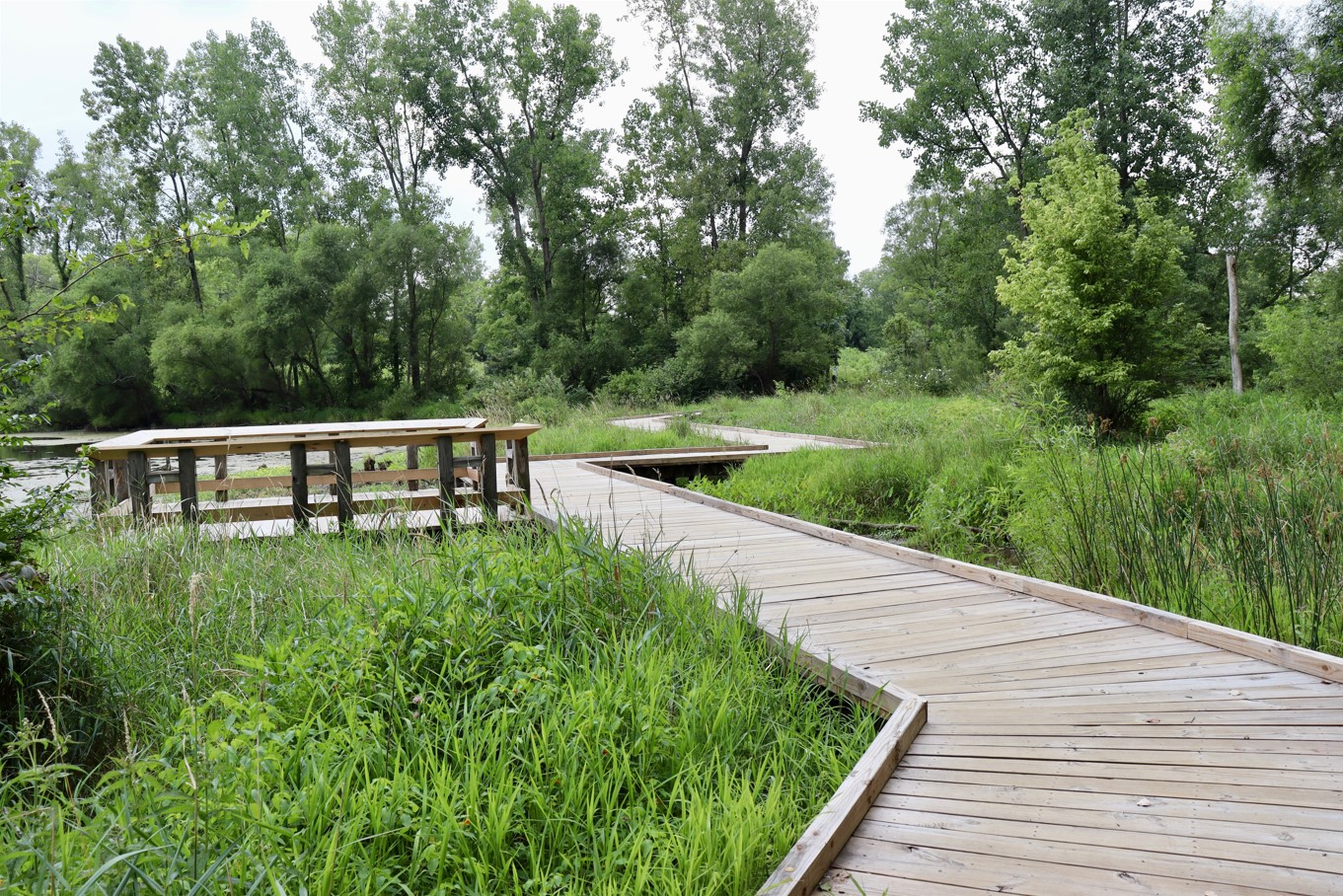
Our hiking trail boardwalks create stable access through terrain where concrete paths would cause erosion and soil compaction. These structures support trail users safely while protecting the land beneath. They’re designed for nature preserves, forests, and parks that require minimal environmental impact.

We engineer each structure based on site conditions including soil type, water flow, and drainage patterns. Pressure-treated timber resists moisture and decay. Galvanized fasteners provide durability in wet conditions. The result is a boardwalk that serves visitors without disrupting the natural environment.

Highlights:

  • Built for foot traffic and terrain

  • Engineered foundations protect soil and water quality

  • Materials selected for longevity in wet environments

Contact Us Today

Multi-Use Trail Boardwalks

Multi-use boardwalks accommodate hikers, bikers, and accessibility needs on trails serving diverse communities. These structures provide wider decking and reinforced engineering to handle varied uses safely. Built to meet federal accessibility standards where required while maintaining natural aesthetics.

Planning includes traffic patterns, user safety, and seasonal challenges. Our construction process protects habitats during installation. We select materials based on expected use levels and environmental conditions. Each project receives custom trail design suited to location and purpose.

Highlights:

  • Wider deck supports multiple trail users

  • Meets accessibility requirements for public access

  • Engineered for safety and heavy use

Contact Us Today

Interpretive Trail Boardwalks

Interpretive boardwalks support educational experiences in nature preserves and parks. These structures create observation points for wildlife viewing while protecting sensitive areas from foot traffic. Extended platforms accommodate groups and allow close observation of many species without disturbing natural behaviors.

We work with park managers and environmental groups to design boardwalks that enhance visitor experience. Strategic placement protects vegetation while providing access to marshes, rivers, and forests. Our construction methods maintain-water quality and preserve existing habitats throughout trail work.

Highlights:

  • Extended platforms for wildlife observation and education

  • Protects ecosystems while enhancing visitor access

  • Custom design for specific educational goals

Contact Us Today

Scenic Overlook Boardwalks

Scenic overlook boardwalks extend access to viewpoints over wetlands, rivers, and natural features. These structures provide safe viewing platforms that distribute visitor weight across wider areas. Built with reinforced engineering to support groups while maintaining stability in challenging terrain.

Extended platforms include safety barriers and durable decking suited to wind and weather exposure. We position structures to minimize disturbance to animals and preserve natural sight lines. Each installation protects the environment while creating memorable experiences for visitors.

Highlights:

  • Reinforced platforms for group viewing and photography

  • Strategic placement preserves natural viewsheds

  • Weather-resistant materials and engineering

Contact Us Today

What To Expect – Our Process

Step 1

Initial Consultation

You contact us to discuss your trail project. We learn about your site conditions, goals for public access, and environmental concerns. This conversation helps us understand your vision and requirements.

Step 2

Site Inspection and Evaluation

Our team visits your location to evaluate terrain, soil type, water flow, and vegetation. We assess environmental factors affecting construction and identify sensitive areas requiring protection. You receive detailed findings and recommendations.

Step 3

Design and Proposal

We develop custom boardwalk designs addressing your site’s unique requirements. The proposal includes material selection, construction methods, timeline, and pricing. You review options and decide how to proceed.

Step 4

Construction

Our crews use specialized equipment and top down construction techniques to build your boardwalk. We coordinate access, maintain safety protocols, and protect the environment throughout installation. Regular communication keeps you informed of progress.

Step 5

Final Inspection and Warranty

We perform a thorough walkthrough to ensure your satisfaction. You receive warranty documentation and maintenance guidance. Our team remains available for ongoing support and questions about reliable service.

Common Nature Trail Boardwalk Construction Challenges

Trail projects face unique obstacles related to terrain, environment, and use requirements. Understanding these challenges helps ensure successful outcomes that serve communities while protecting natural resources.

Challenge What It Looks Like How We Help
Wetland Conditions and Soft Soil Standing water, saturated ground, and unstable soil make traditional construction difficult. Heavy equipment causes lasting disturbance to sensitive areas. Top-down construction methods allow building without compacting soil. Pile-driven foundations provide stability without excavation that harms wetlands and water quality.
Environmental Permits and Regulations Federal agencies including U.S. Army Corps of Engineers of Engineers (USACE) review projects affecting wetlands and habitats. Permit processes require detailed plans showing minimal environmental impact. Our experience with environmental stewardship and regulatory requirements streamlines permitting. We document construction methods that protect wildlife, vegetation, and water resources.
Drainage and Water Flow Patterns Boardwalks must allow natural water movement beneath structures. Blocking drainage causes flooding, erosion, and habitat damage affecting many species in the area. Strategic planning accounts for seasonal water levels and flow patterns. Elevated designs preserve natural drainage while providing access. Materials resist moisture damage.
Accessibility Requirements Public trails often require compliance with federal accessibility standards. Terrain challenges make meeting slope and surface requirements difficult without extensive site work. We engineer boardwalks meeting accessibility guidelines using minimal site disturbance. Gentle grades and stable decking serve all visitors while protecting the land.
Material Durability in Harsh Conditions Exposure to moisture, temperature changes, wind, and debris tests materials constantly. Wood rot and structural failure create safety hazards and maintenance burdens. Pressure-treated timber and composite decking options resist decay. Galvanized fasteners prevent corrosion. Material selection considers specific site conditions for maximum durability and reliable service.
Wildlife and Habitat Protection Construction near nesting areas, migration routes, and feeding grounds risks harming animal life. Disturbance during sensitive seasons affects species survival and reproduction. Timing construction around wildlife needs minimizes impact. Our methods protect existing habitats and vegetation. Structures allow animals to move freely beneath boardwalks.

Frequently Asked Questions

Project costs vary based on bridge length, width requirements, site conditions, and accessibility specifications. A basic pedestrian bridge might range from $15,000 to $50,000, while longer spans with complex accessibility features cost more. We provide free consultations and transparent proposals. Contact us to discuss your specific project and receive detailed pricing based on your site and requirements.

We bring over 50 years of family heritage in timber bridge construction to every project. Our in-house design, engineering, and construction teams ensure seamless project management from consultation through completion. We own specialized equipment including pile-driving machinery and drop-hammers, enabling faster project delivery. Our environmentally conscious construction methods minimize site disruption in sensitive areas. We have completed projects for the National Park Service, municipalities, and communities nationwide.

Timber offers natural aesthetics and proven durability when properly treated against moisture and decay. Composite materials resist rot without treatment and require less maintenance over time. The choice depends on your budget, desired appearance, environmental goals, and expected maintenance resources. We help you evaluate options based on your trail’s specific conditions and long-term plans.

Most trail projects take several weeks to a few months depending on length, terrain complexity, and weather conditions. Permitting from agencies like U.S. U.S. Army Corps of Engineers of Engineers (USACE) adds time before construction begins. Site access and seasonal constraints affect scheduling. We provide realistic timelines during planning and keep you informed throughout the project. Our efficiency with specialized equipment often speeds completion.

Boardwalks make sense when trails cross wetlands, soft soil, or areas where concrete paths would cause erosion and habitat damage. Signs include standing water, mud that prevents access during wet seasons, or sensitive areas requiring protection from foot traffic. Boardwalks provide access while preserving water quality, vegetation, and wildlife habitats that traditional paths would destroy.

We provide warranty packages covering materials and construction upon project completion. Maintenance guidance helps you preserve your investment and extend service life. Regular inspections identify minor issues before they require major repairs. We remain available for support and can develop maintenance plans suited to your trail’s use levels and environmental conditions.

Yes, boardwalks can achieve compliance with accessibility standards through careful engineering and trail design. We design appropriate slopes, deck surfaces, and safety barriers meeting federal guidelines. Many nature preserves and parks choose boardwalks specifically because they provide accessible public access through terrain that would be impossible to serve with concrete paths.

Projects affecting wetlands typically require permits from federal and state agencies. U.S. U.S. Army Corps of Engineers of Engineers (USACE) oversees construction in jurisdictional waters and wetlands. State environmental departments may have additional requirements. Nature preserves and parks often need internal approvals ensuring habitat protection. We help navigate these processes with documentation showing minimal disturbance and environmental stewardship.

Elevated boardwalk structures allow natural water flow beneath decking without obstruction. This preserves drainage patterns and prevents the pooling that concrete paths create. Proper engineering accounts for seasonal water levels and prevents erosion around foundations. Materials resist moisture damage while letting the land function naturally. This approach protects water quality and prevents the environmental problems traditional paths cause.

Regular inspections check for loose boards, worn decking, and fastener condition. Debris removal prevents moisture retention that accelerates wood decay. Pressure washing removes algae and maintains safe walking surfaces. Most timber boardwalks benefit from occasional treatment to extend wood life. We provide specific maintenance schedules based on your materials, climate, and use levels to ensure decades of reliable service.