Sustainable Park Bridge Construction

Parks and natural spaces deserve infrastructure that protects rather than disrupts. Traditional concrete and steel bridges can damage ecosystems and require frequent maintenance. Greenway Bridge Co. builds sustainable timber bridges designed to minimize environmental impact while providing decades of reliable service for communities and natural areas.

Highlights:

  • Minimal environmental footprint during construction

  • Natural materials that blend into park settings

  • Top-down methods protect sensitive ecosystems
Why Choose Us for Sustainable Park Bridge Construction?

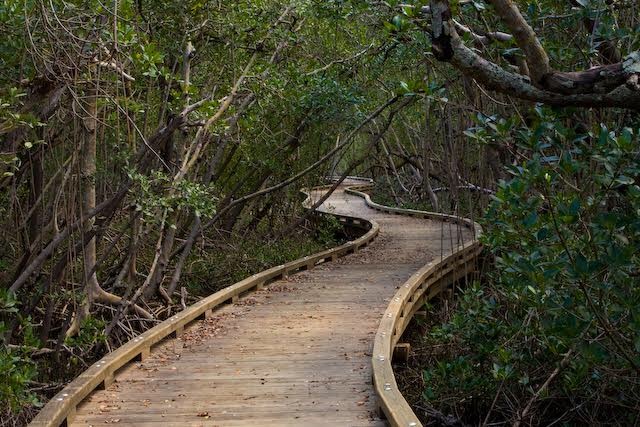
Greenway Bridge Co. has over 50 years of family heritage in environmentally conscious bridge construction. We pioneered construction methods that reduce environmental impact in wetlands and natural areas. Our approach prioritizes sustainable solutions that protect ecosystems while creating lasting infrastructure.

Our sustainable structures use natural materials and proven techniques refined across more than 1,000 installations. We own specialized equipment designed to minimize site disturbance. Every bridge project balances structural integrity with environmental stewardship. Community members benefit from access to natural spaces without sacrificing the health of surrounding environments.

photo (15)

Our Sustainable Bridge Construction Services

Pedestrian Timber Bridges for Parks

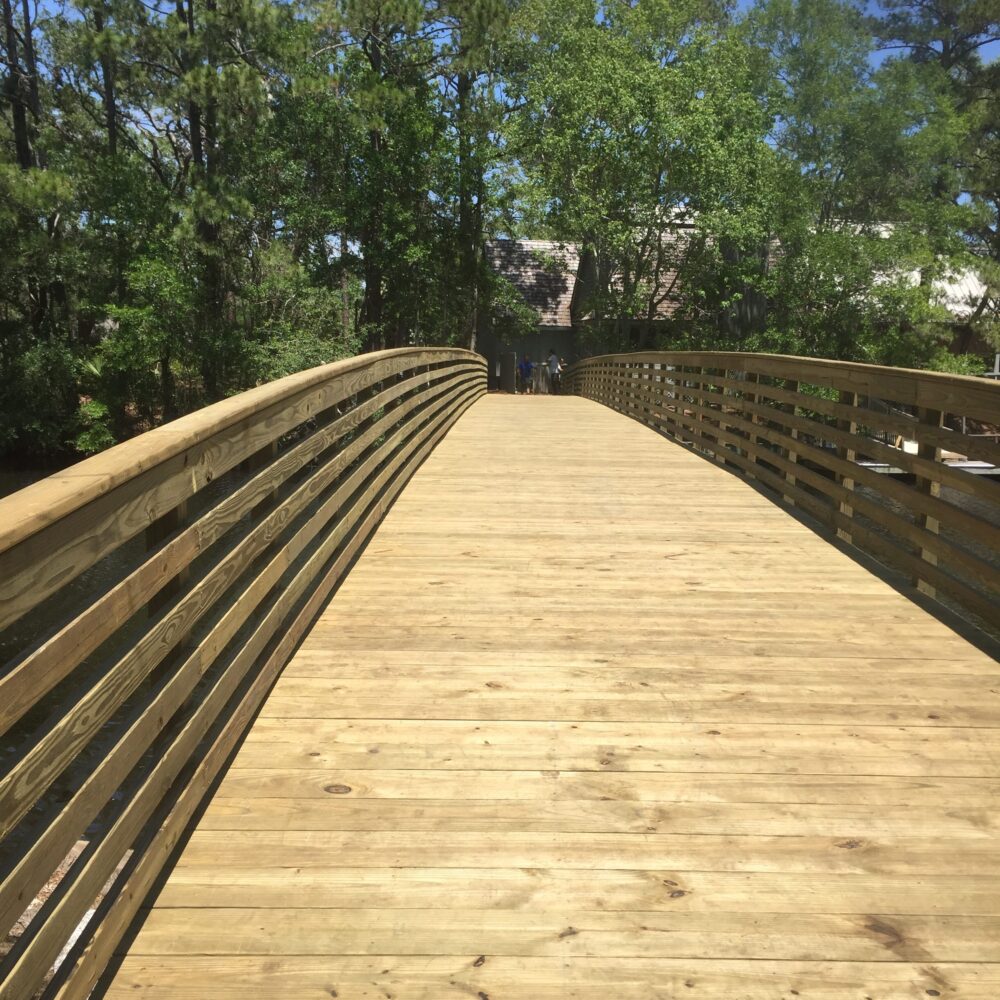
Parks need reliable pedestrian access that enhances rather than harms natural areas. Our pedestrian timber bridges create safe crossings for hikers and visitors while blending naturally into park landscapes. These sustainable structures serve communities without disrupting wildlife or vegetation.

We select eco friendly materials and construction methods that reduce the environmental footprint. Pressure-treated timber resists decay and moisture damage. Pile-driven foundations eliminate the need for soil excavation. Our bridges support foot traffic and park access while protecting the natural resources that make these spaces valuable.

Highlights:

  • Rot-resistant timber requiring minimal maintenance

  • Construction techniques that preserve existing vegetation

  • Designs matching natural park aesthetics

Contact Us Today

Clear Span Timber Bridges

Clear span bridge design eliminates intermediate supports to reduce contact with waterways and sensitive soils. These sustainable bridges cross streams and wetlands without disturbing water quality or soil structure. Parks benefit from access solutions that preserve natural environments.

Our clear span construction uses timber bridge components engineered for strength and longevity. The design phase considers span length and structural requirements while minimizing embodied carbon compared to steel bridges.

Highlights:

  • No in-water supports to disrupt ecosystems

  • Cost-competitive alternative to steel or concrete

  • Reduced construction time protecting natural areas

Contact Us Today
wooden bridge 2019
Screenshot_5

Covered Timber Bridges

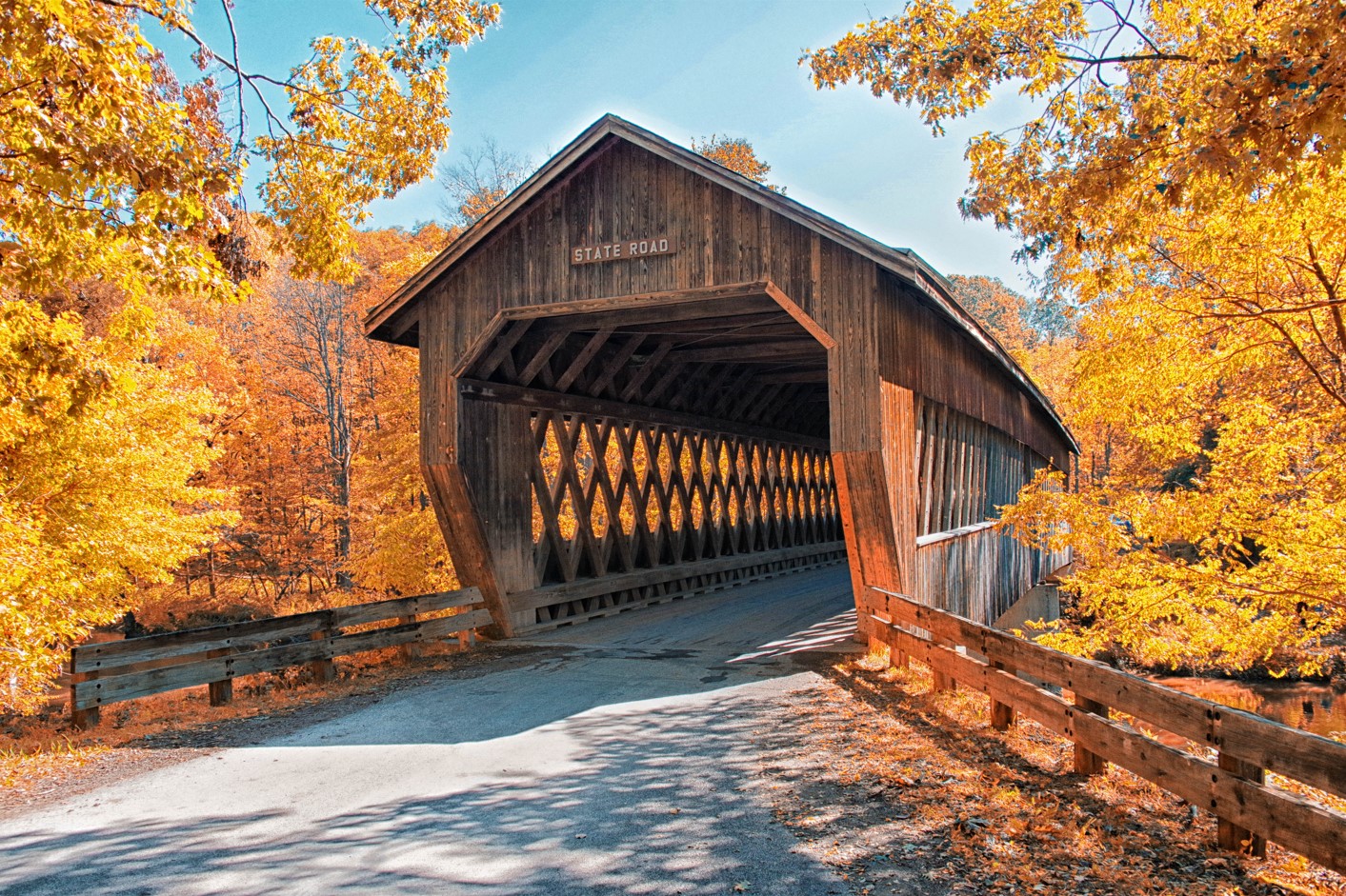
Weather protection extends bridge life and reduces future maintenance needs. Covered timber bridges shield structural components from moisture exposure. Parks gain sustainable infrastructure that serves both pedestrians and light vehicles while adding natural charm to community spaces.

These sustainable structures combine traditional design with modern engineering. Protective roofing reduces the need for chemical treatments and frequent repairs. Our construction methods deliver award winning results that honor natural surroundings while meeting functional requirements for decades of service.

Highlights:

  • Extended service life reducing resource consumption

  • Natural aesthetic appeal enhancing park settings

  • Lower long-term environmental impact from maintenance

Contact Us Today

What To Expect – Our Process

Step 1

Initial Consultation

We discuss your park’s access needs, environmental concerns, and sustainability goals. You share project requirements and community expectations.

Step 2

Site Inspection & Evaluation

Our project team evaluates terrain, water flow, soil conditions, and sensitive habitats. We identify sustainable construction approaches for your specific site.

Step 3

Design & Proposal

You receive custom timber bridge design options with transparent pricing. We present sustainable materials and construction methods suited to your project.

Step 4

Construction

Our crews use specialized techniques to minimize site disturbance. Top-down construction protects ecosystems during the bridge project while maintaining structural integrity.

Step 5

Final Inspection & Warranty

We conduct thorough walkthrough and provide warranty documentation. You receive maintenance guidance supporting long-term sustainability and limited access needs.

Common Sustainable Park Bridge Construction Challenges

Parks and natural areas present unique infrastructure challenges that require thoughtful sustainable solutions. Traditional construction can harm the ecosystems these spaces protect.

Challenge What It Looks Like How We Help
Wetland Protection Requirements Parks with streams or marshes need access without disrupting water quality or wildlife habitat. We use pile-driven foundations and top-down construction that protect wetlands while creating stable pedestrian access.
Limited Site Access Sensitive natural areas restrict heavy equipment and material delivery routes for infrastructure projects. Our specialized equipment reduces ground pressure. We plan construction sequences that minimize trips across protected ground.
Balancing Durability With Natural Aesthetics Parks need structures that withstand heavy use while maintaining the visual character of natural spaces. Timber bridges blend naturally into park settings while providing structural integrity equal to steel alternatives for decades.
Reducing Long-Term Maintenance Burden Frequent maintenance disrupts park operations and increases the environmental footprint of infrastructure investments over time. We select naturally rot-resistant materials and proven designs requiring minimal maintenance. Our bridges serve future generations reliably.
Meeting Sustainability Requirements Communities increasingly demand infrastructure that aligns with climate change goals and reduces embodied carbon in public projects. Our timber construction stores carbon rather than releasing carbon dioxide. We source sustainable materials and avoid energy-intensive alternatives.
Protecting Existing Vegetation Construction typically removes trees and plants that took decades to establish in natural environments. Our build ten feet, then advance method preserves surface vegetation. Drop hammer techniques eliminate heavy equipment that would damage root systems.

Frequently Asked Questions

Project costs depend on span length, design requirements, and site conditions. Timber bridges often deliver cost savings compared to steel or concrete alternatives. We provide transparent proposals detailing materials, construction methods, and long-term value. Our sustainable approach reduces future expenses through minimal maintenance needs and extended service life.

We bring over 50 years of environmental stewardship to every project. Our family heritage in sustainable construction means proven techniques refined across 1,000+ installations. We own specialized equipment designed to minimize environmental impact. Our full in-house capabilities ensure quality from design through construction without relying on subcontractors who may not share our sustainability values.

Properly constructed timber bridges deliver comparable structural integrity and service life to steel structures. We engineer each bridge to meet or exceed load requirements. Natural timber resists certain environmental conditions better than steel, which can corrode. Our material selection and construction techniques create sustainable structures serving parks for 50+ years with minimal maintenance.

Most park bridge projects require 4-8 weeks from design approval to completion. Project planning accounts for site preparation, material delivery, and construction sequences that protect natural areas. Our efficient methods and company-owned equipment enable faster timelines than traditional contractors. Weather and permit requirements can extend schedules, but we coordinate closely to minimize disruption.

Timber construction generates significantly less embodied carbon than concrete or steel production. Wood stores carbon throughout its service life rather than releasing carbon dioxide into the atmosphere. Our construction methods avoid soil compaction and preserve natural water flow. Timber requires less energy to process and transport. When properly maintained, these bridges serve communities while supporting climate change mitigation goals.

We prioritize responsibly sourced natural timber that provides optimal structural performance and longevity. While recycled materials work in some applications, bridge components require specific strength characteristics. Our focus on durability reduces resource consumption over time since structures last decades without replacement. We incorporate innovative materials when they meet our standards for structural integrity and environmental responsibility.

Our timber bridge design emphasizes low maintenance requirements. Annual visual inspections identify minor issues before they grow. Most bridges need only occasional cleaning and hardware checks. Unlike steel bridges requiring frequent painting or concrete needing crack repair, timber structures maintain performance with minimal intervention. We provide maintenance guidance and support throughout the bridge’s service life.

Our construction approach was developed specifically for environmentally sensitive locations. We use top-down methods that work from completed sections rather than disturbing ground ahead. Pile-driven foundations eliminate excavation that would damage roots and soil structure. Drop hammer techniques place supports precisely with minimal disturbance. Our project team coordinates with environmental agencies to ensure compliance and habitat protection.

Yes, we design sustainable infrastructure for varied uses. Many park bridges support both pedestrian traffic and maintenance vehicles. Our engineering accounts for golf carts, utility vehicles, and emergency access needs. We work with park managers to understand operational requirements during the design phase. Load calculations ensure structural integrity for intended uses while maintaining sustainable construction practices.

We offer comprehensive repair and refurbishment services for timber bridges. Our team evaluates structural condition and recommends appropriate solutions. Many repairs involve replacing individual components rather than entire structures, reducing resource consumption. We maintain relationships with clients long-term, providing ongoing support. Proper maintenance extends bridge life significantly, maximizing the sustainability benefits of infrastructure investments and serving future generations effectively.