| Load Capacity Misconceptions |
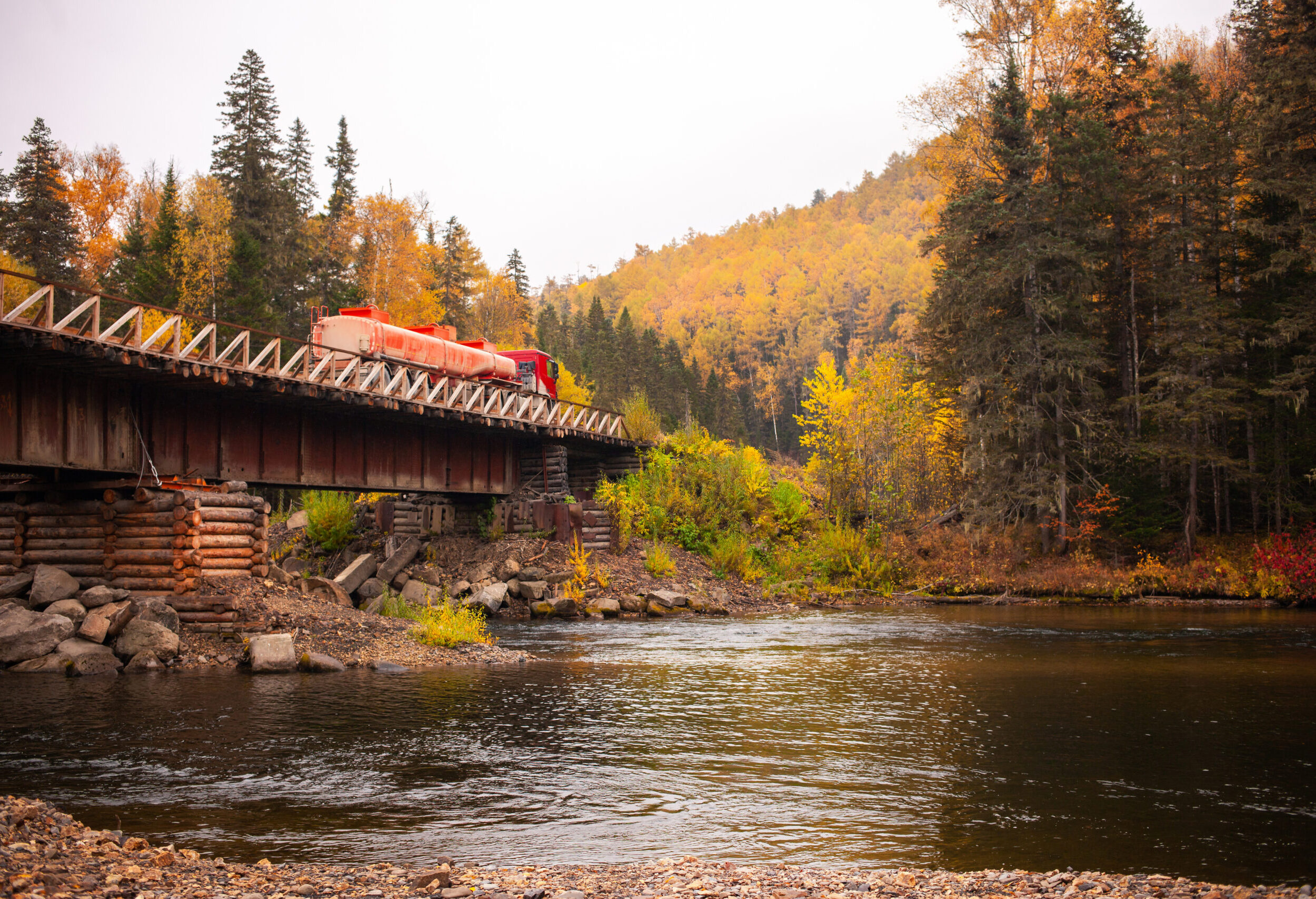
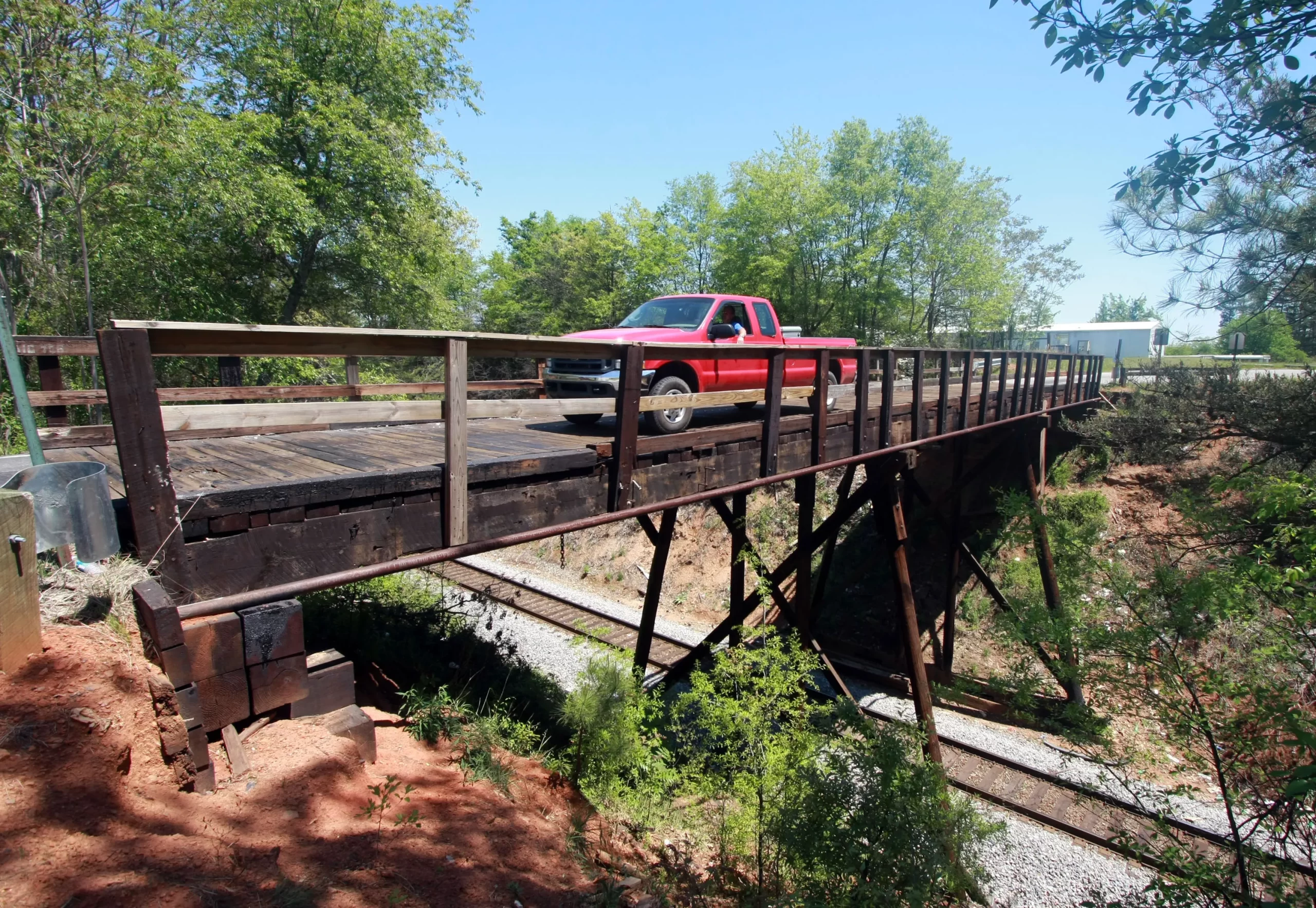
Owners assume timber cannot handle highway vehicles or heavy equipment, leading to unnecessary steel or concrete specifications that increase cost and environmental impact. |
We engineer timber bridges to AASHTO HL-93 and HS-20 standards using stress laminated timber bridge systems or glulam beams matched to your required design vehicle and provide load rating documentation. |
| Foundation and Installation Complexity |
Stream crossings and soft ground create schedule delays and environmental permit challenges when installation methods cause excessive disturbance to waterways or habitat. |
Our pile-driven foundations and top-down construction methods reduce ground disturbance and support faster installation while meeting forest service and environmental requirements for sensitive sites. |
| Load Rating and Approval Documentation |
Design load models, foundation plans, and environmental approvals for stream work create project delays when not coordinated in one scope with proper structural engineering. |
We handle complete documentation including HL-93 or HS-20 design calculations, foundation engineering for waterways, environmental permit coordination, and transportation department submittals in a single project scope. |
| Wind and Weather Exposure Effects |
Elements like wind, moisture cycles, and temperature changes affect wood members and connections, accelerating decay at critical points where drainage is inadequate or end-grain is exposed. |
We detail bridges with proper drainage, protect end-grain using pressure treated wood to industry standards, specify galvanized fasteners, and provide inspection schedules tied to your environment and traffic frequency. |
| Service Life and Maintenance Uncertainty |
Owners worry about hidden costs from inspection, deck renewal, and protection against decay and termites when timber bridge maintenance realities are underexplained during design. |
The USDA Forest Service states properly pressure treated timber stringers can achieve service lives of 50+ years to AWPA standards. We provide maintenance plans specifying inspection cadence, fastener checks, and wearing surface renewal schedules. |
| Material Selection for Heavy Loads |
Choosing between stress laminated timber bridge decks, longitudinal glulam deck systems, solid wood stringers, and combination approaches creates confusion without a clear decision framework. |
We compare systems based on your spans, required load rating, maintenance preferences, and budget. Stress laminated offers slab-like distribution for heavy loads; longitudinal glulam provides modular replacement access for long-term maintenance planning. |