Municipal Timber Bridge Construction

The American Society of Civil Engineers reports that 42% of bridges in the United States are at least 50 years old, and 7.5% are rated structurally deficient. Municipalities need durable replacement solutions with predictable maintenance planning. Greenway Bridge Co. delivers municipal timber bridge construction that meets AASHTO standards, reduces site disruption, and supports sustainability goals.

Highlights:

  • Over 50 years of bridge-building heritage and expertise

  • Engineered timber bridges for pedestrian and vehicular use

  • Minimal impact construction in environmentally sensitive areas
Why Choose Us for Municipal Timber Bridge Construction?

Greenway Bridge Co. has completed more than 1,000 timber bridge and boardwalk installations since our family heritage began in the late 1970s. We serve municipalities throughout the United States with in-house design, engineering, construction, and maintenance teams. Our bridges are built to meet or exceed safety standards and tolerances for decades of reliable service.

We use pile-driven foundations and top-down construction methods that protect sensitive wetlands and natural areas. Our company-owned trucks and heavy equipment enable rapid project mobilization and cost-effective execution. We deliver bridges engineered for structural integrity while maintaining aesthetic appeal in natural surroundings.

image 106

Our Municipal Timber Bridge Construction Services

Pedestrian Timber Bridges

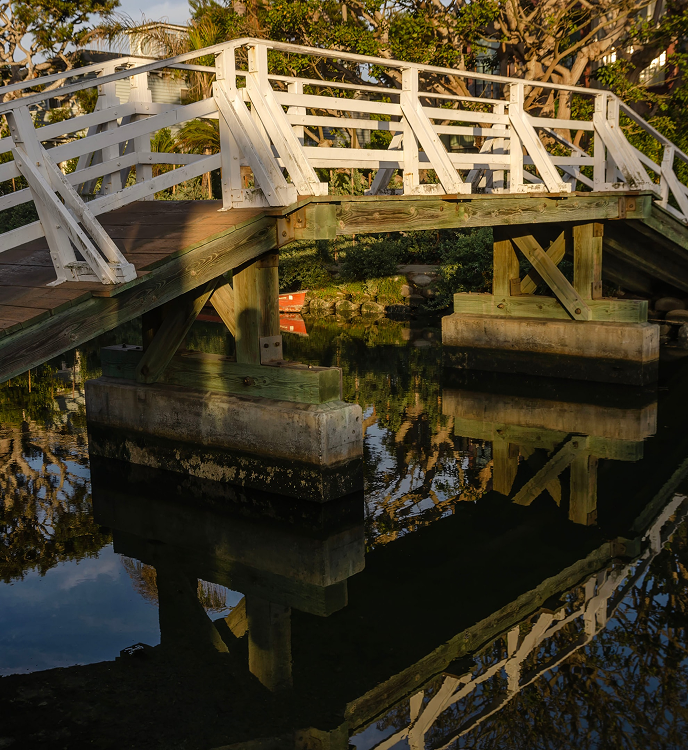
Custom-designed timber bridges for foot traffic blend naturally into parks, nature trails, and public spaces. These bridges enhance access across landscapes while maintaining visual harmony and minimizing environmental impact. Pedestrian timber bridge construction serves hikers, bikers, families, and community greenways with dependable performance.

Our team evaluates terrain, soil conditions, and water movement to design bridges that fit the site. We use pressure-treated timber, composite decking options, and galvanized fasteners selected for longevity and resistance to moisture and decay.

Highlights:

  • Nature trail bridges for hiking and biking trails

  • Park pedestrian bridges with accessibility considerations

  • Community greenway bridges connecting trail systems

Discuss Your Project

Vehicular Timber Bridges

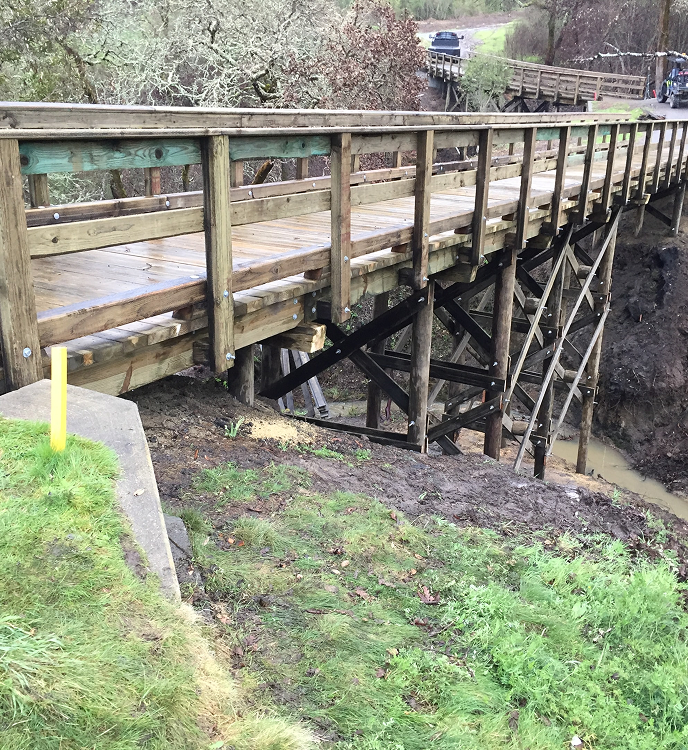
Heavy-duty timber bridges handle municipal vehicles, maintenance equipment, and continuous use while showcasing natural beauty. Vehicular timber bridge construction serves municipal infrastructure, commercial properties, and access roads with exceptional durability and seamless environmental integration.

Laminated timber and engineered wood products deliver the structural integrity needed for higher load requirements. Our bridges are designed to meet AASHTO standards when required, providing municipalities with confidence in long-term performance.

Highlights:

  • Municipal infrastructure bridges for community vehicle support

  • Maintenance vehicle bridges for heavy-duty grounds equipment

  • Load-rated designs meeting AASHTO specifications

Discuss Your Project

Clear Span Timber Bridges

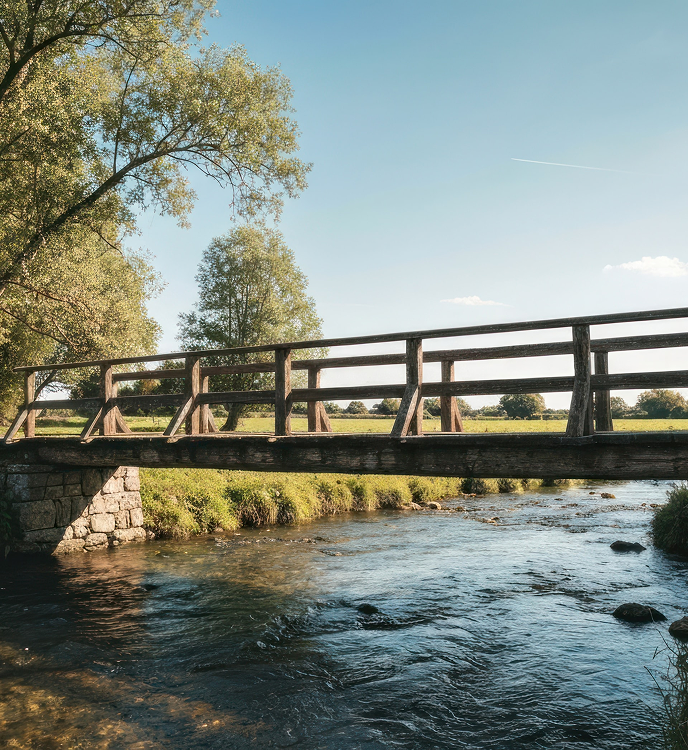
Bridges that cross openings without intermediate supports reduce contact with waterways and sensitive soils. This design supports minimal environmental impact while meeting access and safety needs. Clear span timber bridge construction offers competitive cost, shorter construction schedules, and natural aesthetic fit compared to steel or concrete alternatives.

Clear span designs work best when regulators restrict in-water or in-wetland work. Our team evaluates span length, geometry, and approach constraints to determine the right solution for each site.

Highlights:

  • Wetland clear span bridges minimizing disturbance

  • Stream crossing bridges without in-water supports

  • Park clear span bridges requiring minimal ground contact

Discuss Your Project

Covered Timber Bridges

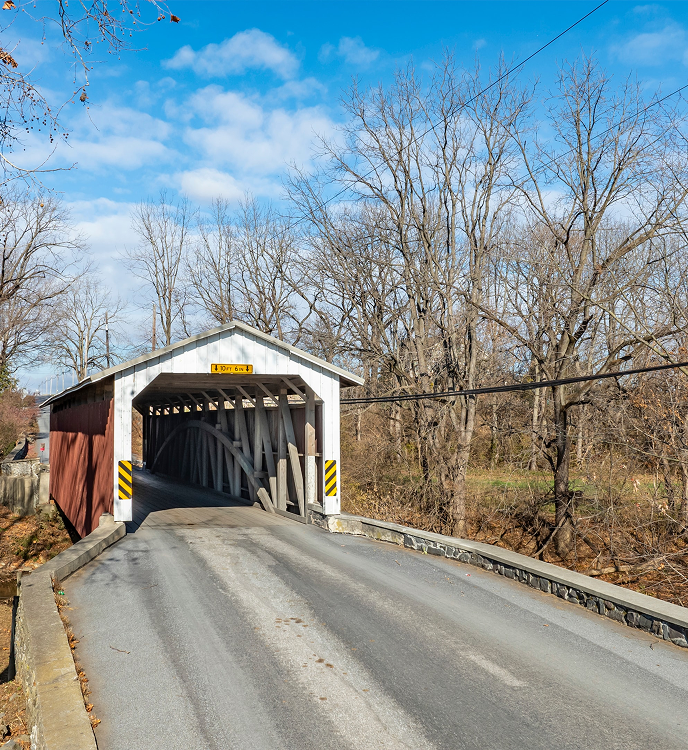
Timber bridges with protective roofing shield critical materials from weather exposure, ensuring unmatched durability and reduced maintenance. These structures combine traditional design with modern engineering, serving both pedestrian and light vehicle use while adding character to parks and communities.

Covered bridge construction extends service life by protecting deck surfaces and supporting elements from moisture. Our team designs covered bridges that fit municipal aesthetic goals while delivering practical performance.

Highlights:

  • Vehicular covered bridges for municipal and maintenance vehicles

  • Pedestrian covered bridges with weather protection

  • Historic-style bridges for public parks and preserves

Discuss Your Project

Wetland Boardwalks

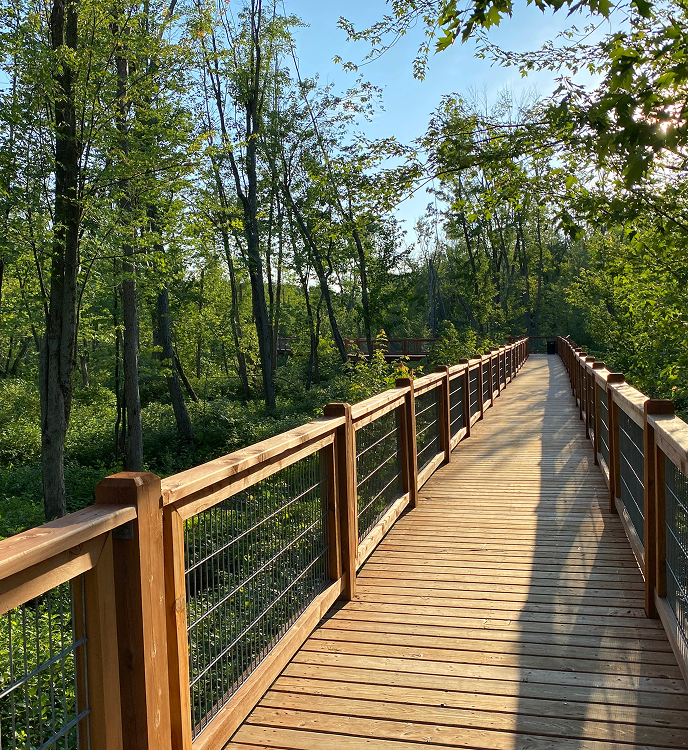
Bridges that cross openings without intermediate supports reduce contact with waterways and sensitive soils. This design supports minimal environmental impact while meeting access and safety needs. Clear span timber bridge construction offers competitive cost, shorter construction schedules, and natural aesthetic fit compared to steel or concrete alternatives.

Clear span designs work best when regulators restrict in-water or in-wetland work. Our team evaluates span length, geometry, and approach constraints to determine the right solution for each site.

Highlights:

  • Nature preserve boardwalks for protected natural areas

  • Public park boardwalks with wetland features

  • Interpretive trail boardwalks with educational access

Discuss Your Project

What To Expect – Our Process

Step 1

Initial Consultation

We begin with a consultation to understand your project goals, site constraints, and performance requirements. You’ll discuss span length, deck width, load rating needs, and environmental considerations with our team.

Step 2

Site Inspection and Evaluation

Our crew visits the site to evaluate terrain, soil type, water movement, and access limitations. We assess foundation options and identify any permitting or environmental review requirements that may affect the construction schedule.

Step 3

Design and Proposal

We develop custom designs addressing your site’s unique requirements. You’ll receive detailed proposals with specifications, materials, construction methods, and timeline estimates. We explain the differences between clear span and pile-supported options when both are viable.

Step 4

Construction

Construction proceeds using pile-driven foundations, top-down construction, or drop-hammer methods selected to maximize stability while minimizing site disruption. Our company-owned equipment enables efficient work in limited access areas and challenging environments.

Step 5

Final Inspection and Warranty

Projects conclude with a thorough walkthrough inspection to confirm quality and safety. We deliver warranty and maintenance packages with detailed care instructions, supporting the long-term performance of your infrastructure investment.

Common Municipal Timber Bridge Construction Challenges

Aging public bridge inventory forces municipalities to replace or rehabilitate crossings while keeping roads, parks, and trails open. Fast construction methods and phased work increase in value when daily operations cannot stop.

Challenge What It Looks Like How We Help
Permitting and Environmental Review Timelines Permitting and environmental review can become the schedule driver when designs do not minimize site disruption in environmentally sensitive areas. We use pile-driven foundations and clear span designs that reduce in-water work and limit site footprint, helping agencies streamline review and approval processes.
Load Capacity Misconceptions "Timber equals low capacity" leads agencies to default to traditional materials even when short spans and sensitive sites favor timber construction. Engineered wood products like laminated timber and cross-laminated timber are designed to meet AASHTO load requirements, providing verified design loads for municipal use cases.
Site Disruption in Protected Areas Construction sites in parks, wetlands, and protected areas create public concern about habitat damage and prolonged closures. Our top-down construction methods and specialized equipment minimize terrain pressure and environmental impact, allowing us to complete projects with less disruption than concrete or steel contractors.
Uncertain Lifecycle Costs Buyers worry about longevity and maintenance costs when contractor pages emphasize beauty but omit inspection planning and component replacement strategies. We provide comprehensive maintenance packages with inspection schedules, wear surface replacement plans, and access for ongoing care, ensuring municipalities can budget for the full service life.
Carbon Footprint Documentation Generic "lower carbon footprint compared" claims do not provide procurement-ready sustainability documentation for municipal infrastructure development planning. We quantify carbon storage using WoodWorks data (55 pounds of CO2-equivalent stored per cubic foot of Douglas fir-larch lumber) and state sourcing assumptions, enabling transparent sustainability reporting.
Grant and Budget Window Pressure Agencies that delay concept selection (clear span vs pile supported, deck width, load rating) often lose a full season because procurement lead times start after design choices are locked. Our initial consultation establishes scope inputs quickly, allowing us to provide budgetary ROM estimates and schedule milestones that fit grant timelines and budget cycles.

Frequently Asked Questions

Project costs vary based on span length, deck width, load rating, foundation type, and site access limitations. The Federal Highway Administration reports an average NHS bridge replacement unit cost of $377 per square foot nationally. We provide budgetary ROM estimates during initial consultations and detailed proposals after site inspection. Cost effectiveness improves when designs minimize site disruption and permitting complexity.

  • Over 50 years of family bridge-building heritage dating to the late 1970s
  • Environmentally conscious construction methods refined over 1,000+ installations
  • Company-owned trucks and heavy equipment for rapid mobilization
  • Full in-house design, engineering, construction, and maintenance teams
  • Proven track record with the National Park Service and municipal facilities nationwide

Laminated timber (glulam-style assemblies) is typically the municipal workhorse for predictable structural integrity when spans, deck width, and load demands require engineered wood products. Cross-laminated timber works well where panelized construction and controlled factory environments reduce field labor. We evaluate moisture detailing, wear surfaces, and replacement strategy for the deck during design. Our team helps you choose based on your specific load requirements and maintenance preferences.

Construction timelines depend on span length, foundation type, site access, and permitting requirements. Typical projects range from several weeks to a few months once permits are secured. Our efficiency and company-owned equipment enable faster completion than traditional contractors. Permitting and environmental review often drive the overall schedule more than physical construction, especially in environmentally sensitive areas.

Visual signs include sagging deck boards, cracked supporting elements, loose railings, or wood rot in structural components. If your bridge shows these symptoms, or if routine inspections flag safety concerns, replacement or refurbishment should be evaluated. Mississippi State University documents timber bridges achieving service lives beyond 50 years when designed and maintained properly. Early attention prevents emergency closures and extends the return on your infrastructure investment.

We deliver warranty packages upon project completion with detailed care instructions. Maintenance programs include regular inspections, minor repairs, and planning to prevent major issues. Annual inspection programs and multi-year maintenance contracts are available for municipal bridge fleets. These programs protect your investment and ensure structures continue meeting safety standards over decades of service.

Clear span timber bridges eliminate the need for in-water or in-wetland supports, making them the best choice when regulators restrict piling work. Clear span designs are limited by span length and geometry, so we evaluate your crossing distance and approach constraints during site inspection. When clear span is not feasible due to distance, we work with agencies to design pile-supported systems with careful staging that reduces site disruption and meets permit requirements.

Engineered wood products like laminated timber and cross-laminated timber can be designed to meet AASHTO HS20-44 and HL-93 load requirements when the full system is engineered correctly. Load capacity depends on span, deck width, supporting elements, and foundation design. We provide load-rated designs with engineering documentation for municipal specifications. Our bridges handle heavy vehicles as well as pedestrians, engineered with precision and safety standards that exceed requirements.

Permit requirements vary by location and site conditions. Typical permits include:

  • Local building permits and structural approvals
  • Environmental permits for wetlands, waterways, or protected areas
  • State or federal permits for work affecting navigable waters
  • Right-of-way permits for crossings on public land

We coordinate with agencies during site inspection to identify required permits and help you understand review timelines. Designs that minimize site disruption and environmental impact reduce permitting complexity and agency back-and-forth.