Timber Vehicular Bridge Construction

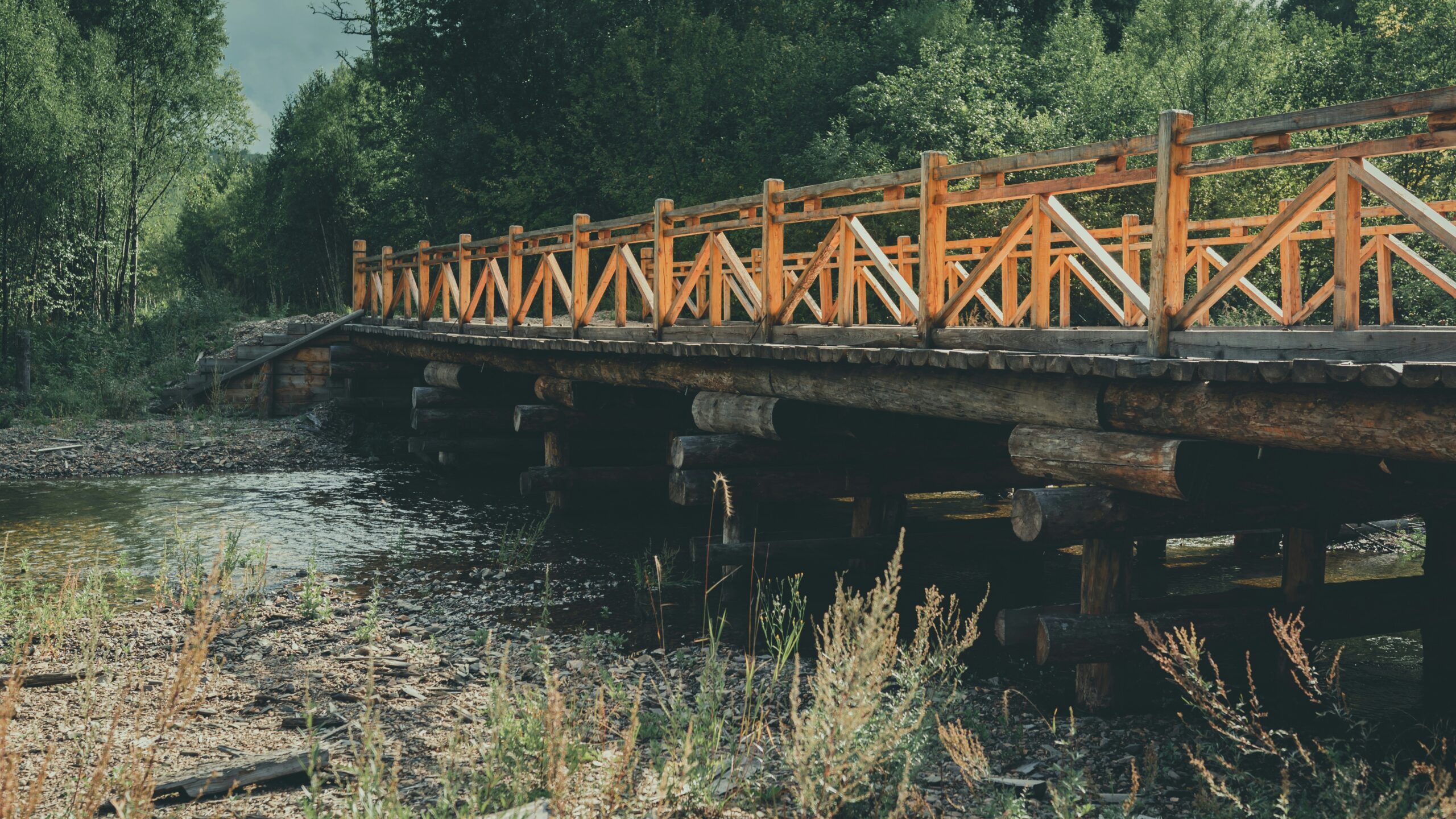
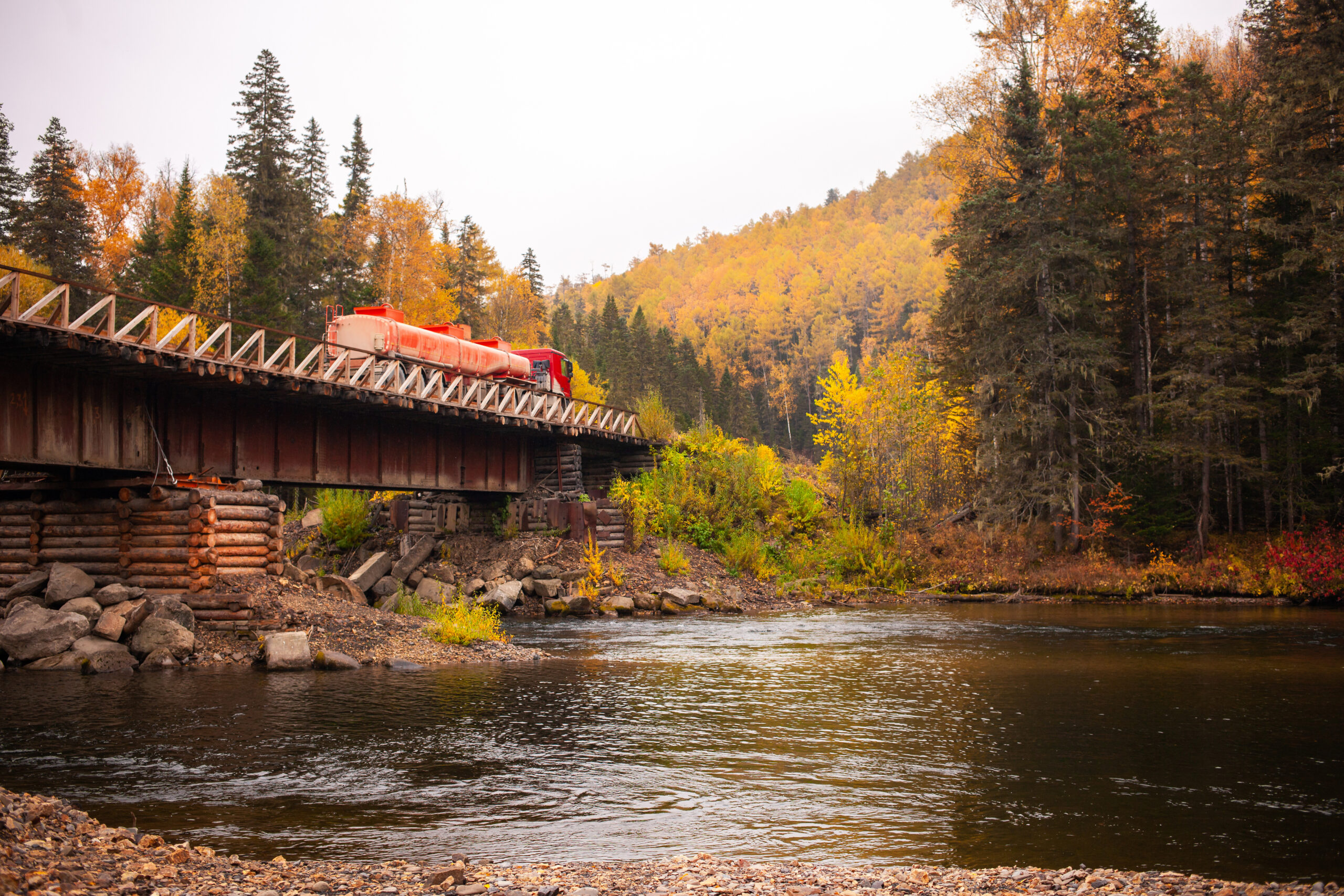
Vehicular timber bridges require engineering precision, environmental stewardship, and proven bridge construction methods that protect sensitive sites while supporting heavy loads. Greenway Bridge Co. builds timber bridges designed for vehicles, golf carts, and maintenance equipment with over 50 years of family legacy and more than 1,000 installations completed nationwide.

Highlights:

  • Engineered for vehicles and maintenance equipment

  • Pile driven foundations minimize environmental impact

  • Company owned trucks and in-house capabilities
Why Choose Us for Timber Vehicular Bridge Construction?

We’ve built timber vehicular bridges since the late 1970s, combining exceptional craftsmanship with modern engineering. Our experienced team handles design, construction, and maintenance in-house, serving clients across all 50 states and creating structures that stand the test of time. We own our trucks, heavy equipment, and pile-driving machinery.

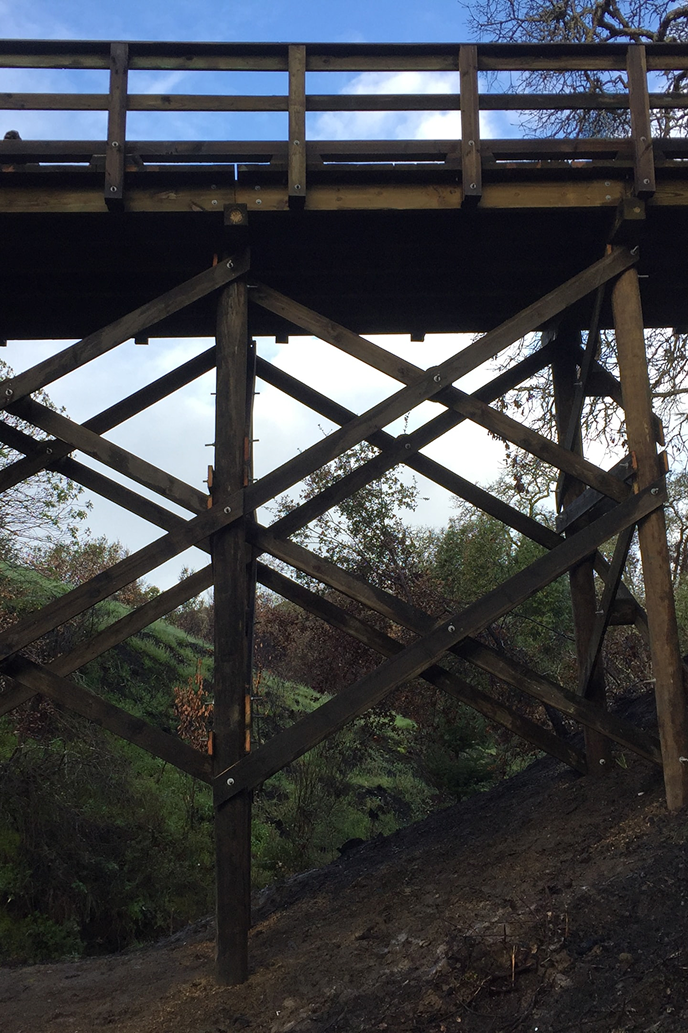
Our environmentally conscious construction techniques set us apart. We use pile driven foundations, top-down methods, and drop-hammer techniques that minimize ground disturbance in wetlands and delicate environments. Each vehicular bridge is custom designed timber structures for the specific needs of your site.

Our Vehicular Timber Bridge Construction Services

Vehicular Timber Bridges

Heavy-duty timber bridges designed to handle vehicles, golf carts, and maintenance equipment while showcasing aesthetics and natural beauty. Built with proven construction techniques to provide safe, stable crossings with unmatched durability. These bridges serve golf courses, commercial properties, local infrastructure, and private access roads with exceptional performance.

Our vehicular timber bridge construction delivers engineered solutions for your project. We match the design to the heaviest vehicle that must cross, accounting for maintenance trucks, service vehicles, or golf carts. Each project balances maximizing stability with minimal impact to the environment.

Highlights:

  • Engineered for specified vehicle weight and usage

  • Custom designed structures built for each site

  • Pile driven foundations in soft soils and wetlands

Discuss Your Project

Golf Course Bridges

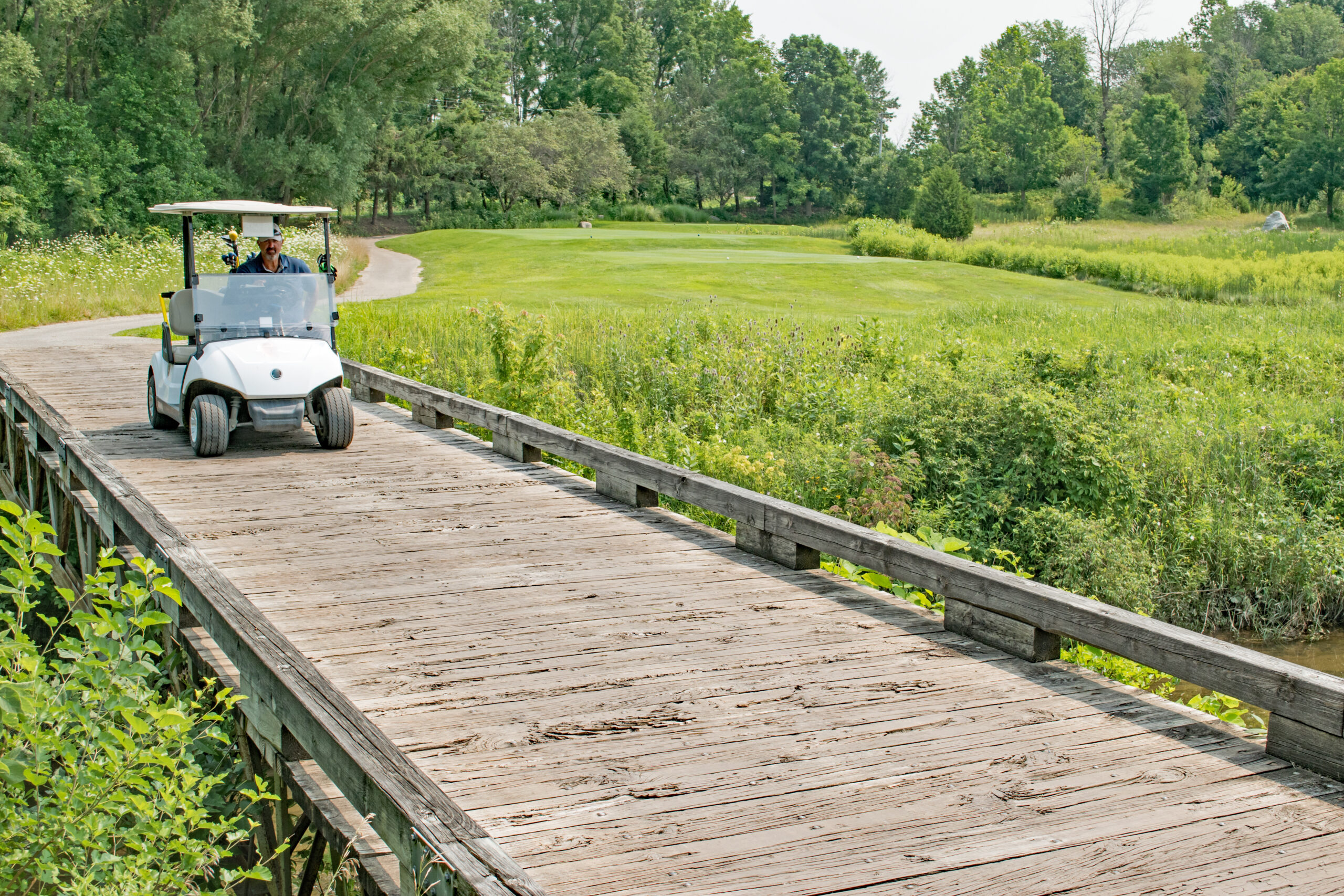
Specialized timber bridges designed specifically for golf settings, allowing golf carts and maintenance vehicles to cross streams, wetlands, and rough terrain. Built to withstand golf cart traffic, foot traffic, and changing weather with designs that fit seamlessly into course landscapes from quiet walkways to wide passages.

Golf course vehicular bridges must meet precise spacing requirements for carts and grounds equipment. Our bridges support daily play while protecting water features and sensitive habitat areas. We’ve worked with Bobby Weed-designed courses and understand the balance between function and aesthetics.

Highlights:

  • Designed for golf cart and maintenance vehicle weight

  • Minimal disruption during construction and long-term use

  • Natural aesthetics blend with course landscape design

Discuss Your Project

Commercial Development Bridges

Built for developers and commercial property access, these vehicular timber bridges handle service vehicles, delivery trucks, and daily traffic while maintaining the aesthetic appeal of commercial landscapes. Engineered to standards with proper load ratings.

Commercial vehicular bridge projects often face tight schedules and complex permitting. Our company owned trucks and advanced equipment enable rapid mobilization. We coordinate all necessary vehicle, roadway, and pedestrian access precautions with proper environmental systems in place.

Highlights:

  • Load ratings for service vehicles and trucks

  • Faster construction timelines than steel or concrete

  • Eco friendly methods simplify permitting compliance

Discuss Your Project

Municipal Infrastructure Bridges

Practical solutions for communities requiring vehicle support, from park access roads to maintenance routes through wetlands. These timber bridges deliver cost effective infrastructure that serves public needs while protecting natural areas.

Municipal projects demand accountability and long-term performance. We provide full lifecycle support, from initial design through decades of maintenance. Our structures are engineered to the highest tolerances with commitment to quality and safety.

Highlights:

  • Meets public safety and accessibility standards

  • Cost effective compared to steel and concrete

  • Ongoing maintenance programs for fleet management

Discuss Your Project

Clear Span Timber Bridges

Bridges that cross openings without intermediate supports, reducing contact with waterways and sensitive soils. This design supports minimal impact while meeting access and safety needs. Clear span timber bridges offer competitive cost, shorter construction schedules, and natural aesthetic fit.

Clear span designs eliminate the need for in-water supports or mid-span piles, which simplifies environmental permitting. The approach works well for stream crossings, wetland edges, and sites where ground conditions make intermediate supports impractical.

Highlights:

  • No intermediate supports in-waterways or wetlands

  • Simplifies permitting by reducing site disturbance

  • Engineered for vehicular loads across clear spans

Discuss Your Project

Military Timber Bridge Construction

Military installations and training facilities need permanent timber bridge solutions built for decades of reliable service. Remote sites, soft soils, and restricted access require specialized construction methods. Greenway Bridge Co. builds heavy-duty timber bridges designed to handle military vehicles while minimizing environmental impact.

Highlights:

  • 50+ years of bridge-building experience

  • Pile-driven foundations for challenging terrain

  • Nationwide service with company-owned equipment

Discuss Your Project
Timber Bridge Maintenance Services

Heavy Load Timber Bridge Construction

Heavy load timber bridges handle vehicles, maintenance equipment, and highway traffic when engineered to established standards. Greenway Bridge Co. designs and builds timber bridge systems using stress laminated timber bridge decks, glulam members, and pile-driven foundations for nationwide projects requiring load ratings from golf carts to HL-93 highway loads.

Highlights:

  • Engineered to AASHTO HL-93 and HS-20 standards

  • Over 50 years of timber bridge construction heritage

  • Pile-driven foundations for stream crossings and soft ground

Discuss Your Project

What To Expect – Our Process

Step 1

Initial Consultation

We discuss your project goals, site conditions, and vehicle requirements. You’ll explain what you need the bridge to support, and we’ll identify any environmental or permitting factors that could affect the design with attention to detail.

Step 2

Site Inspection and Evaluation

Our team visits your site to evaluate terrain, soil type, water movement, and environmental constraints. We measure spans, assess foundation requirements, and identify construction access routes. You’ll receive practical recommendations ensuring precision in planning.

Step 3

Design and Proposal

We develop custom designs addressing your site’s unique requirements. Your proposal includes detailed plans, material specifications, load ratings, construction methods, and timeline. You’ll understand exactly what you’re getting.

Step 4

Construction

Construction proceeds using proven techniques selected to maximize stability while minimizing environmental impact. We use pile driven foundations, top-down construction, or drop-hammer methods depending on site.

Step 5

Final Inspection and Warranty

We perform a thorough walkthrough to ensure the bridge meets your expectations and all safety standards. You’ll receive warranty and maintenance packages with detailed care instructions and post-completion support.

Common Timber Vehicular Bridge Construction Challenges

Vehicular timber bridges face specific challenges related to load requirements, environmental constraints, and sustainability. Each project must balance engineering precision with environmental stewardship while meeting budget and schedule expectations.

Challenge What It Looks Like How We Help
Permitting and Environmental Constraints Wetlands, floodways, and fish habitat trigger multi-agency review. Designs must minimize impacts and construction sequencing must limit ground disturbance, causing delays. We use pile driven foundations and top-down construction that protect delicate environments. Our build-ten-feet-then-advance wetland process reduces surface disruption and simplifies permitting by demonstrating minimal impact with integrity.
Unclear Design Vehicle Requirements Many owners underestimate defining the heaviest vehicle that must cross. This decision controls girder sizing, deck system selection, and foundation requirements for safety. We start by identifying your design vehicle. A USDA Forest Service technical note states that for a 50-foot bridge, the combined weight of the design vehicle and lane load is about 52 tons.
Site Access and Mobilization Narrow access roads, soft ground, and remote locations limit cranes and delivery trucks. This forces method changes and can increase schedule risk if equipment availability becomes a bottleneck. Our company owned trucks and heavy equipment reduce reliance on rentals. We own specialized pile-driving machinery and drop-hammers, giving us flexibility for challenging site access conditions and efficiency.
Foundation Stability in Soft Soils Soft soils and wetland edges make spread footings impractical. Without proper foundation choice, bridges experience settlement and structural failure over time, creating safety and liability problems. Pile driven foundations distribute loads through deep, stable soil layers. Our pile-supported foundation systems are engineered for soft soils and wetland environments, providing stability without excessive excavation.
Durability and Maintenance Concerns Buyers worry that timber will rot faster than steel or concrete. Uncertainty about inspection schedules and maintenance costs creates hesitation about committing to timber bridge construction. We select rot-resistant timber and pressure-treated materials designed for decades of service. A USDA Forest Service durability study inspected 132 timber bridges, and we provide maintenance packages with regular inspections.
Cost Uncertainty Without Benchmarks Most timber vehicular bridge pages avoid specific numbers, leaving buyers unable to compare methods or budget realistically. This creates sticker shock during proposals. A USDA Forest Service report analyzing 215 bridges found a median cost of $25.48 per square foot for HS20-rated timber bridges, which helps frame budget expectations for your project

Frequently Asked Questions

A USDA Forest Service report analyzing 215 bridges found a median cost of $25.48 per square foot for HS20-rated timber bridges. Actual pricing depends on span, width, design loads, railings, foundations, site access, and permitting. Slab bridges averaged $22.04 per square foot, while longitudinal glulam deck bridges averaged $23.05 per square foot. We provide detailed proposals after site inspection so you understand what drives costs for your specific project with transparency and integrity.

We offer several advantages rooted in our backwoods bridges family heritage:

  • 50+ years of legacy in bridge construction dating to the late 1970s, with more than 1,000 installations completed
  • Company owned trucks, heavy equipment, and pile-driving machinery that reduce schedule risk
  • Full in-house design, engineering, construction, and maintenance teams providing seamless project management
  • Proven track record with prestigious clients including the National Park Service

Our environmentally conscious construction philosophy uses pile driven foundations, top-down methods, and drop-hammer techniques that minimize impact in wetlands and delicate environments alike.

Choose timber when you need fast installation, aesthetic integration in natural settings, and lower environmental impact construction. Timber works well for golf courses, parks, residential developments, and private access roads. Choose steel or concrete when spans and loads exceed what is practical for timber at the desired geometry. The decision depends on your required vehicle class (golf carts versus maintenance trucks), corrosion environment, and inspection capabilities. Timber offers sustainable and eco friendly benefits with proper material selection and protection.

Typical timelines vary based on project scope, span, site access, and permitting complexity. Simple golf course bridges with clear site access may take a few weeks. Municipal projects requiring environmental permits and complex coordination take longer. Our efficiency and company owned equipment enable faster completion than companies who depend on rental equipment. We provide specific timelines in your proposal after evaluating site conditions and design requirements, ensuring precision in planning.

Boardwalks make sense when trails cross wetlands, soft soil, or areas where concrete paths would cause erosion and habitat damage. Signs include standing water, mud that prevents access during wet seasons, or sensitive areas requiring protection from foot traffic. Boardwalks provide access while preserving water quality, vegetation, and wildlife habitats that traditional paths would destroy.

We deliver warranty packages upon project completion and provide maintenance packages with detailed care instructions. Our ongoing maintenance programs include annual inspection services, multi-year maintenance contracts, and specialized programs for golf courses and municipal bridge fleets. Regular inspections catch minor issues before they become major problems, extending longevity and protecting your investment. Post-completion support remains available throughout the life of your bridge.

Beam sizing depends on span, vehicle weight, load distribution, and connection details. A USDA Forest Service technical note explains that for a 50-foot bridge, the AASHTO design vehicle plus lane load is about 52 tons. We evaluate your specific span, soil conditions, and heaviest expected vehicle, then design the structural system ensuring precision. Contact us for a site inspection rather than estimating beam sizes without proper analysis for safety.

This depends entirely on vehicle weight, beam spacing, connection methods, and load distribution. For short spans with light vehicles (golf carts or ATVs), dimensional lumber may work if properly designed. For maintenance trucks or heavier vehicles, engineered lumber provides more reliable performance. We recommend professional engineering for any vehicular crossing to ensure proper load ratings and safety margins. The cost of proper design is small compared to the risk of structural failure.

Yes, when properly engineered. A USDA Forest Service technical note states that for a 50-foot bridge, the combined weight of the design vehicle and lane load is about 52 tons. Timber bridges can be designed to meet AASHTO standards for vehicular loads. The key is matching the structural system to your heaviest expected vehicle. We’ve built bridges for the National Park Service, municipal facilities, and golf courses that handle maintenance vehicles and service trucks daily with exceptional craftsmanship. Proper materials selection, engineered connections, and quality construction deliver decades of reliable service.